
Pan-European scientific collaboration on the 3rd cause of cancer death in Europe – Early detection is vital.
A major pan-European research effort focusing on the early detection of pancreatic cancer has been launched with the official launch of the SHIELD (Strategic Health Initiative for Early detection in individuals at high risk of pancreatic cancer) project, funded by the European Union through the Horizon Europe programme, which brings together 26 partners from 13 countries, including Cyprus, with the participation of the Cyprus Institute of Neurology and Genetics (CING).
The project has a total budget of €14 million of which €11.6 million comes from European Union funding. For its contribution to the implementation of the project, INGK has secured funding of €848,000. Through the Department of Neurogenetics (Prof. Kyproula Christodoulou and Dr. Paschalis Nikolaou) and the Biostatistics Unit (Dr. Kyriaki Michailidou), CING contributes to the identification of individuals at high genetic risk, the evaluation of genetic variants and the analysis of large volumes of research data.
Pancreatic cancer is one of the most aggressive and deadly cancers, with five-year survival rates of less than 10%. In Europe, it is the third leading cause of cancer deaths, claiming 132,134 lives in 2020 alone. It is also projected to become the second leading cause of cancer-related deaths in the United States by 2030.
The SHIELD project aims to reverse this statistic, using an innovative haematology test that has shown impressive preliminary results (sensitivity 91% and specificity 96%).
This test will be piloted in 7 European countries and is intended to be integrated into annual screening programmes, focusing on people at high genetic or familial risk. The SHIELD strategy aims to increase the survival rate to 30% by 2035 for this group.
Commenting on INGK’s involvement, Executive Director and Medical Director, Professor Leonidas Phylactou, said: “The participation of the Cyprus Institute of Neurology and Genetics in the SHIELD project reinforces our long-standing commitment to innovative medical research with social impact. Addressing high mortality diseases, such as pancreatic cancer, requires coordinated scientific efforts at European level. Through the collaboration and expertise of our research teams, we are making a significant contribution to the development of reliable diagnostic methods that will offer hope and perspective to thousands of patients.”
Professor Roland Andersson, clinical coordinator of the project, stresses: “Early diagnosis can transform the data on pancreatic cancer. With SHIELD, we are taking an important step in this direction.”
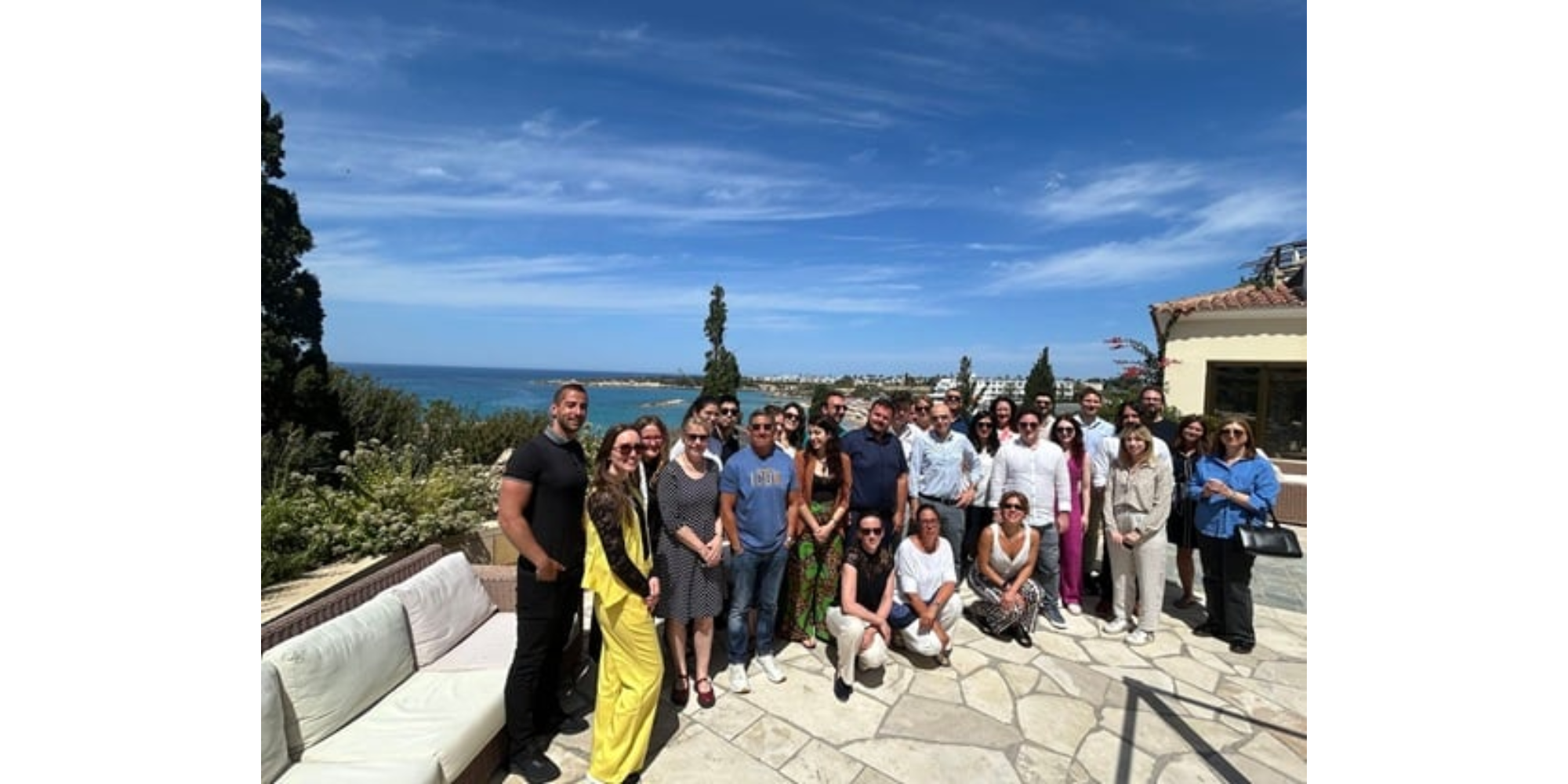
The project started in May 2025, with the first meeting of scientists in Paphos, and will run for four years. In addition to funding from the European Union (Grant Agreement No. 101214779), it is also supported by the Swiss Secretariat for Education, Research and Innovation.
The Cyprus Institute of Neurology & Genetics | News & Events | Media (https://tinyurl.com/3vztbdhc)