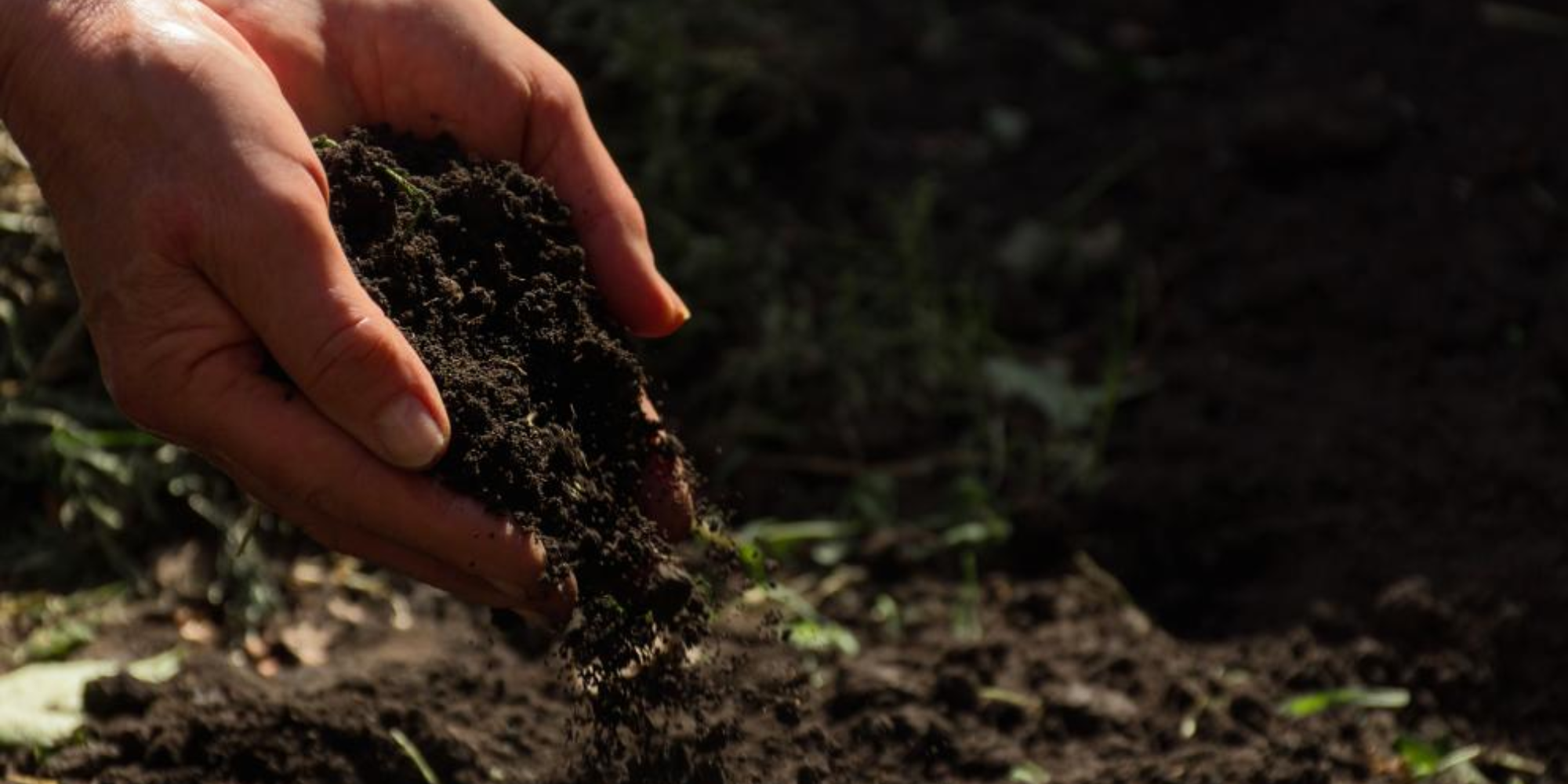
Soil degradation is an issue in every EU country, with 60-70% of soils in an unhealthy state.
The EU’s first law on soil monitoring and resilience enters into force on 16 December, a huge milestone that will help restore soil health.
Healthy soils are essential for agricultural productivity, pest resistance, and nutritional food quality and safety, critical to the long-term viability and profitability of the EU’s farming sector.
Soil degradation is an issue in every EU country. 60-70% of soils are in an unhealthy state, costing the EU over €50 billion every year—more than the total GDP of countries such as Latvia and Cyprus.
The Soil Monitoring Law looks at all aspects of soil degradation, from erosion and compaction to contamination and soil sealing. It applies to all soils, including forests, agricultural land and urban areas.
Member States will be required to monitor and assess soil health, with the new law offering considerable flexibility so Member States can tailor this requirement to their local conditions.
They will also be able to benefit from the Commission’s support, including capacity building and a brand-new soil health data portal. The Commission has already published a guide on the funding opportunities that are currently available at the EU level and will continue to assess further gaps and needs.
Support for farmers
The Directive brings forth support for farmers and soil managers to help improve soil health and resilience. Moreover, land take mitigation principles will help protect soil—especially agricultural land—and the multiple services it provides, including food security.
The law does not set binding targets, prohibit activities or request new permitting procedures, nor does it impinge on national competences on spatial planning.
It also puts in place a solution to the long-standing issue of contaminated sites in the EU. In the case of unacceptable risks for human health or the environment, appropriate risk reduction measures should be taken. Relevant information about these sites should be made available to the public, free of charge.
The new directive will improve knowledge about soil health and improve soil resilience, contributing to the EU’s climate and biodiversity goals, as well as competitiveness and food security.